
Head of a Faun
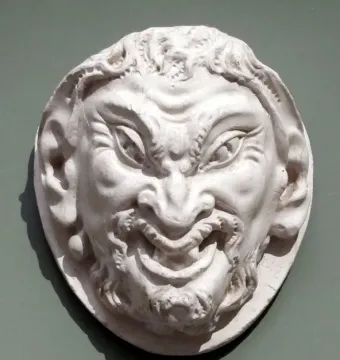
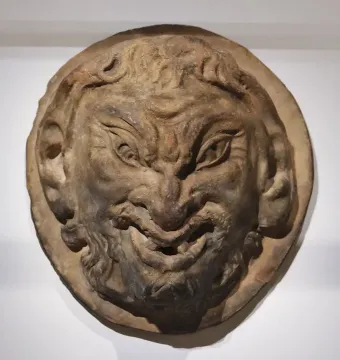
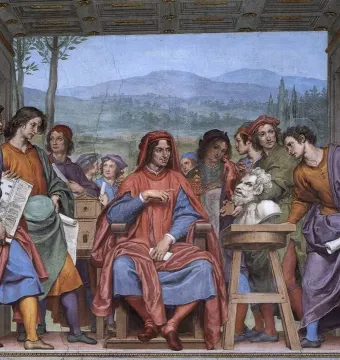
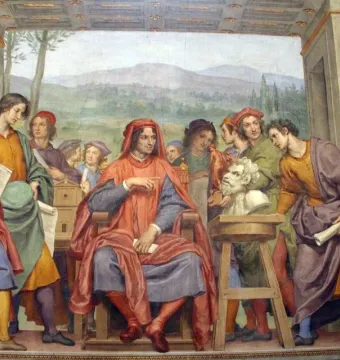
Head of a Faun is a lost work by Michelangelo from around 1489, when he was only 15 or 16 years old. It was probably his first marble sculpture and may have been made as a copy of an ancient model. According to Giorgio Vasari, the work helped win Michelangelo the patronage of Lorenzo de’ Medici. Vasari also tells the famous story of Lorenzo visiting the garden of San Marco, seeing the faun’s face, and suggesting that some teeth should be missing in an old face; Michelangelo then knocked out a tooth with hammer and chisel. The theme was later recalled by Cesare Zocchi, who created a marble sculpture showing the young artist at work on the faun’s head, now in the Casa Buonarroti in Florence.
© sailko · CC BY-SA 3.0
May 2026 © Shonagon · CC0
October 2014 © Ottavio Vannini · Public domain
September 2013 © Sailko · CC BY 3.0
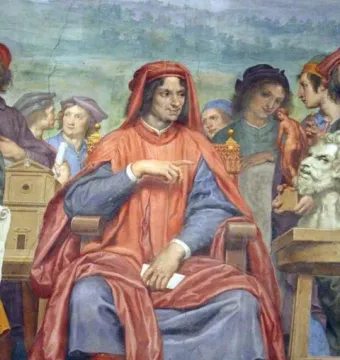
September 2013 © Sailko · CC BY 3.0
Identification | |
| Title | Head of a Faun |
| Original titles | Der Kopf eines Fauns; Cabeza de fauno; A Cabeça de Fauno; Testa di Fauno; "Голова фа́вна" |
| Type | Lost marble sculpture |
| Subject | A faun |
Historical context | |
| Date | c. 1488–1492 |
| Creation context | Made by Michelangelo during his youth while apprenticed in Florence, in the gardens of San Marco / the Medici Sculpture Garden, under Bertoldo di Giovanni and associated with Lorenzo de' Medici |
Creator | |
| Artist | Michelangelo Buonarroti |
| Artist nationality | Italian |
| Artist's age at creation | About 13–16 years old |
Discovery and provenance | |
| Model or source | Copied from an ancient sculpture, described as an ancient head or fragment of a laughing old wrinkled faun with a snub nose; some sources say with minor alterations or from imagination where the model was missing |
| Attribution certainty | Believed to be Michelangelo's, but the sculpture's existence and exact original are disputed; no evidence survives apart from Vasari and Condivi's accounts |
Physical characteristics | |
| Condition | Lost; no longer survives |
| Form | Head sculpture / bust |
Materials | |
| Material | Marble |
Appearance | |
| Facial features | A laughing or smiling old faun, described as wrinkled and bearded, with a damaged or snub nose |
| Mouth detail | The mouth was shown open, with the tongue and teeth visible; Michelangelo reportedly chipped away one tooth and hollowed the gums to make it more lifelike |
Technique | |
| Modification of model | Michelangelo altered the antique model by opening the mouth and adjusting the teeth and gums; some accounts describe the mouth as recreated from imagination because it was missing in the source |
Significance | |
| Significance | Considered Michelangelo's earliest known marble sculpture and, according to Vasari and Condivi, his first documented work |
| Historical importance | According to Vasari, the work brought Michelangelo under the patronage of Lorenzo de' Medici |
History and restoration | |
| Anecdote with Lorenzo de' Medici | Lorenzo de' Medici saw the work, joked that old people do not have perfect teeth, and Michelangelo immediately removed one tooth, amusing and impressing Lorenzo |
| Fate | Probably disappeared in 1494 during the sack of the Medici property and second expulsion of the Medici from Florence; later sources already treated it as lost |
| Later identification attempts | A faun head in the Bargello was identified with the work from the 17th century until 1860, when it was redated to the 16th century or later; it was dispersed in 1944 and survives only in plaster casts |
| Related later work | Cesare Zocchi made a marble sculpture showing the young Michelangelo working on the Head of a Faun; it is kept at Casa Buonarroti in Florence and was copied by the Romanelli workshop |
| Related scholarship | Proposed identifications with a Bargello mask, a bust of a cyclops, and the Uffizi red head of Marsyas were later rejected or remain uncertain |